Why Families Love Basketball Club Teams San Diego Programs
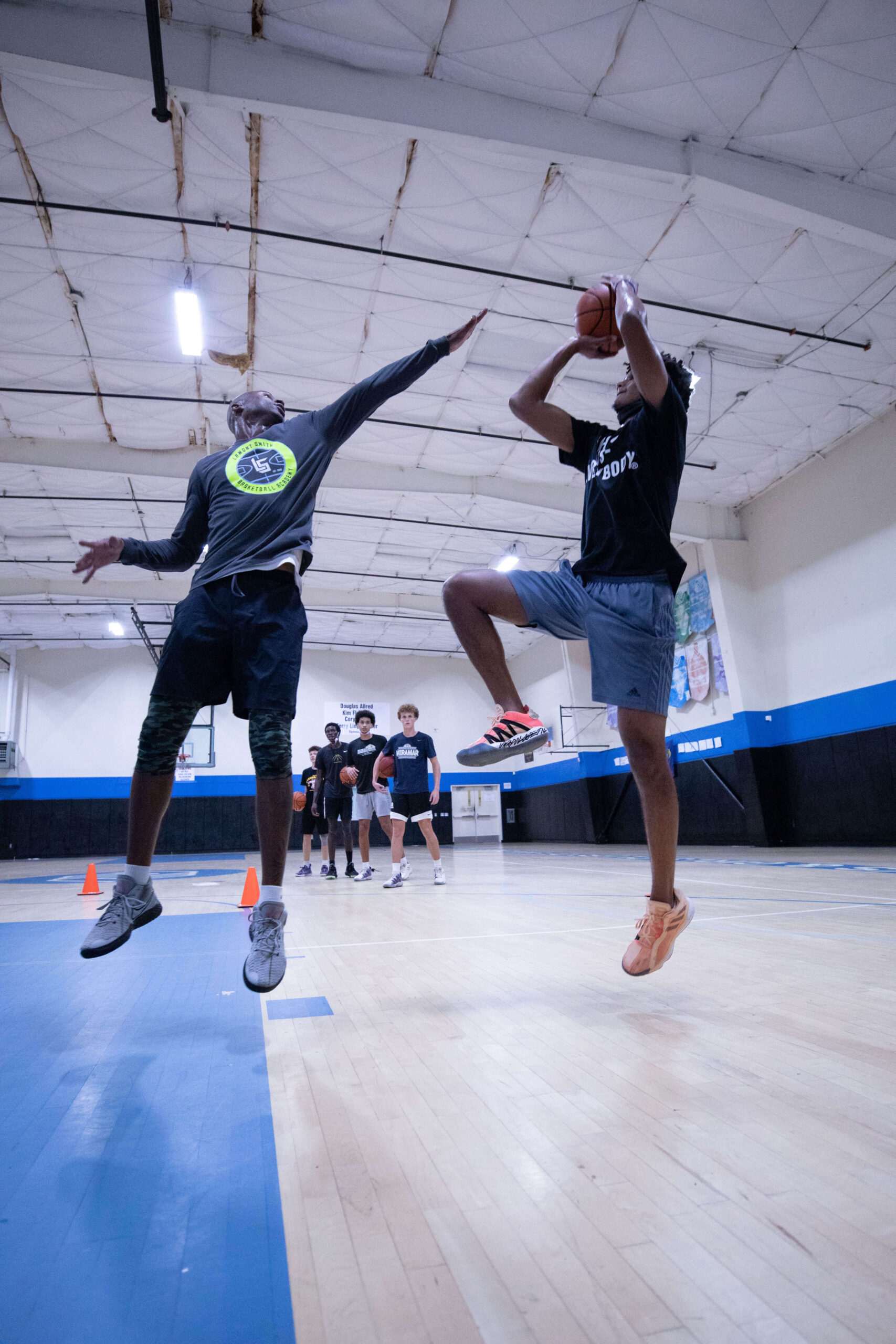
Ask enough parents why they commit time, money, and entire weekends to youth sports, and the answers start sounding less like a conversation about games and more like a conversation about childhood itself. They talk about confidence, belonging, discipline, friendships, safe structure, and the quiet relief of seeing a young person care deeply about something healthy. That is especially true around basketball, where the pace is fast, the learning curve is visible, and growth often shows up in real time.
That is one reason families keep gravitating toward Basketball Club Teams San Diego programs. The appeal goes far beyond competition. For many households, club basketball offers a rare combination of challenge and community. It gives young athletes a place to work hard, stretch their limits, and find their identity without losing the joy that brought them to the game in the first place.
Parents tend to notice the same thing after a few months in a good program. Their child stands a little taller. Mornings feel more purposeful. Friend groups become healthier. Even school habits can improve. None of that happens by accident. It comes from consistent coaching, clear expectations, and an environment where effort matters every week, not just on game day.
What makes club basketball different
Recreational leagues have real value. They introduce the game, keep costs lower, and give kids a broad social experience. Club basketball serves a different purpose. It asks for more and, when run well, gives more back.
In club settings, practice tends to be more structured, the pace is quicker, and development is taken seriously. Players are expected to learn spacing, defensive rotations, transition responsibilities, and how to compete through mistakes. Coaches usually spend more time on footwork, ball handling under pressure, shooting form, and decision-making. That extra attention matters because basketball is a details sport. A child can love the game and still plateau if nobody teaches the details.
Families are often drawn to Basketball Club Teams San Diego because the local basketball culture is active, competitive, and varied. There are programs for beginners who want a stronger foundation, for intermediate players who need skill development, and for advanced athletes chasing high-level competition. That range gives families options, and options are important because not every child needs the same environment at the same age.
A fourth grader who is still learning how to use their non-dominant hand does not need the exact same setting as a high school player trying to earn varsity minutes. Good club programs understand that. They build development in layers rather than rushing every child into the same lane.
Families want more than games
One of the biggest misconceptions about club basketball is that families join because they are obsessed with winning. Some are, of course. Most are not. Most parents are looking for a place where their child is taken seriously.
That can mean different things in different homes. For one family, it means a coach who corrects sloppy habits instead of ignoring them. For another, it means teammates who actually show up ready to work. For another, it means being around families who value punctuality, communication, and accountability. These may sound like small things, but they shape the entire experience.
A mother of a middle school guard once described the difference perfectly after switching programs. In her old league, she said, practice felt like organized chaos and games were mostly about who happened to be the fastest that day. In club, her daughter started learning how to read a screen, how to box out a bigger player, and how to recover after turning the ball over. The child did not suddenly become a star. She became a more complete player, and that change made her love basketball even more.
That pattern is common. Children often enjoy sports more when they feel competent. Competence does not come from praise alone. It comes from progress.
The structure helps children grow up a bit
Youth sports can reveal character, but they also build it. The weekly rhythm of a solid club team teaches habits that carry outside the gym. Players learn to manage practice schedules, prepare gear, listen carefully, and bounce back after tough performances. They https://franciscobern001.iamarrows.com/top-basketball-club-teams-in-san-diego-to-watch-this-season also learn that improvement is rarely dramatic. It is usually repetitive and sometimes boring. Then, without much warning, it starts showing up in games.
Parents value that process because it is one of the few places where effort and consequence remain connected in a clear way. Skip workouts, and conditioning drops. Ignore weak-hand drills, and defenders force you the wrong direction. Sulk after mistakes, and the next possession gets worse. Basketball has a way of exposing attitude quickly.
That is part of the reason Basketball Club Teams San Diego programs earn so much loyalty from families. In a good gym, kids absorb lessons that are difficult to teach at the dinner table. They learn to take coaching. They learn how to be part of a role. They learn that being the best scorer is not the same as being the best teammate.
For families with more than one child, this often becomes even more apparent. Siblings with very different personalities can both benefit from the same structure. The outgoing child learns restraint and discipline. The quieter child learns to speak up, compete, and trust their instincts. The sport meets them from different angles.
Why the San Diego environment matters
Location shapes the youth sports experience more than people realize. San Diego brings together year-round play, strong community interest, and a mix of athletic backgrounds that keeps the level of competition healthy. Families can find club programs tied to neighborhoods, school pipelines, independent training groups, and larger organizations with broader tournament schedules.
The climate helps. Consistent weather means fewer disruptions and more opportunities for training. Outdoor work, conditioning, and skills sessions are easier to fit into a weekly routine. That alone can make a difference for players who need repetition to grow.
There is also a practical side. In a region like San Diego, families often look for programs that match their commute realities. A team can have good coaches and still become unsustainable if every practice turns into a 45-minute scramble across town. Experienced parents know this quickly. The best fit is not always the loudest program or the one with the flashiest social media. It is the one that balances quality coaching with a workable family schedule.
That balance is a major reason parents talk so often about finding the right Basketball Club Teams San Diego option, not simply the most competitive one. Families stay where the basketball is strong and the logistics are realistic.
Kids find their people there
Every longtime sports parent has seen this happen. A child joins a team for basketball and ends up staying because of the relationships. The gym becomes familiar. Teammates become trusted friends. Car rides home turn into recaps of drills, jokes from the bench, and plans for the next tournament.
This matters more than it may seem. Childhood social circles shift quickly, especially during middle school. A team can provide a stable peer group built around shared effort instead of shared screens. Players spend time with others who know what it feels like to run sprints after a lazy defensive closeout, or to miss a free throw and come back the next day ready to fix it.
That kind of bond is hard to fake. It forms in repetition, in huddles, in hotel breakfasts during tournament weekends, in awkward early-season chemistry that slowly turns into trust. Parents notice it when their child starts looking forward to practice not just because of the game, but because of the team.
The social side also helps children weather difficult stretches. Maybe they are not starting. Maybe school feels stressful. Maybe they had a rough performance. Teammates who are invested in the same process often become a quiet support system. For many families, that emotional benefit is every bit as valuable as the athletic one.
Good coaching changes everything
Families do not fall in love with a logo. They fall in love with good coaching.
A strong coach teaches fundamentals, yes, but that is only the starting point. They communicate clearly. They correct players without humiliating them. They know when to push and when to slow down. They understand that development is uneven, especially in younger age groups where maturity, confidence, and body changes can all affect performance.
The best coaches also explain the why behind the work. A child is much more likely to buy into defensive stance drills when they understand how it helps them stay in front of quicker guards. They are more likely to embrace passing reads when they see how it creates easier shots for everyone.
Parents who have been through multiple seasons can usually spot quality coaching within a few weeks. Practices have purpose. Players are moving, listening, and being held accountable. Corrections are specific. Water breaks do not drag. The gym feels demanding but steady, not tense and chaotic.
Here are a few signs families tend to appreciate in a club program:
- Coaches teach, they do not just scrimmage.
- Playing time expectations are discussed honestly.
- Communication with parents is clear and timely.
- Players are challenged without being belittled.
- Development stays important, even for non-stars.
Those basics sound simple, but they separate healthy programs from frustrating ones. Parents can tolerate a losing stretch if they trust the coaching. They rarely tolerate confusion, favoritism, or disorganization for long.
The real value of competition
Competition can sharpen young athletes, but only if it is placed in the right context. Families generally do not love club basketball because every weekend ends with a trophy. They love it because competition reveals what training needs next.
A strong opponent exposes loose handles. A physical team exposes poor rebounding technique. A disciplined defense exposes rushed decision-making. Good coaches use those moments productively. They do not panic or overreact. They bring the lessons back into practice.
This is another area where Basketball Club Teams San Diego programs can serve families well when they are chosen carefully. The right competition level matters. If the schedule is too weak, players coast and develop bad habits. If it is too advanced too soon, confidence can crack. The sweet spot is a challenge that stretches a player without drowning them.
Parents often need time to understand this. Early on, many naturally assume that tougher is always better. Experience usually softens that view. A child who plays meaningful minutes against solid competition may develop faster than a child buried on a stacked roster. Exposure matters, but so do reps, confidence, and the chance to apply coaching in real game situations.
That trade-off deserves honest discussion. Some families are better served by a developmental team with thoughtful coaching than by a powerhouse where their child rarely leaves the bench. Prestige is not the same as fit.
The hidden family benefits
Club basketball can be demanding, and no experienced parent pretends otherwise. Weeknights get busy. Tournament weekends can eat up time. Fees, travel, uniforms, and training add up. Yet many families stay involved year after year because the returns are not limited to the athlete.
There is something valuable about a shared family project that requires planning and commitment. Siblings learn to support one another. Parents build friendships in the bleachers and on the sidelines. Weekends take on a rhythm that feels active rather than passive.
One father once joked that he never expected youth basketball to become his social life, but after two seasons he knew half the gym by name. That is common. Team communities, when healthy, become part of a family’s routine. Carpools form. Parents trade recommendations for schools, trainers, and local restaurants near tournament sites. Younger players watch older ones and start imagining their own path.
This does not mean every part is easy. There are early mornings, traffic, and long afternoons in loud gyms. There are games where your child hardly plays and rides home upset. There are stretches when school pressure collides with sports schedules. Families who thrive in club basketball are not the ones who avoid those issues. They are the ones who enter with clear priorities.
Choosing the right program without getting swept up
The market for youth sports can be noisy. Every program claims development, culture, and opportunity. Families need a more grounded filter.
A useful way to evaluate Basketball Club Teams San Diego options is to watch a practice before making any decision. Games can be misleading. A team might look polished on Sunday because it has one dominant player. Practice shows whether the program can actually teach.
Families should also ask practical questions, not just aspirational ones. How many players are on the roster? How often do they practice? What is the coaching background? How is playing time handled? What does the total season cost look like once tournaments and travel are included? Those answers tend to reveal more than branding ever will.
A few questions are worth asking before you commit:
- Is my child excited by this environment, or intimidated by it in an unhealthy way?
- Will the weekly schedule fit our family without constant stress?
- Does the coach communicate expectations clearly?
- Is this team focused on development, exposure, or both?
- Can I picture staying with this program for more than one season if it goes well?
Parents sometimes skip those questions because they feel pressure to move quickly. That urgency can lead to bad fits. A thoughtful decision usually pays off over time.
Why families stay, even when the road gets hard
If club basketball were just about convenience, families would leave. It is not convenient. It is worthwhile.
They stay because they see who their child is becoming. They watch a shy player start calling out switches on defense. They see a frustrated sixth grader learn not to unravel after a turnover. They notice stronger friendships, better resilience, and a new seriousness about preparation. Those changes often arrive gradually, then all at once.
They stay because a good team gives children a place to belong while asking them to do hard things. That combination is rare and powerful. It asks for humility, discipline, and trust. It rewards patience.
They stay because the right program understands the long view. Not every child is trying to chase elite college basketball, and not every family should build its life around that dream. But a child does not need to be on a national path to benefit enormously from high-quality coaching, team accountability, and meaningful competition.
That is the heart of why Basketball Club Teams San Diego programs resonate with so many families. At their best, they offer far more than a packed gym and a game schedule. They give young players a setting where growth is visible, standards are real, and community forms around shared effort. Parents recognize the value because they can see it in the details, in the way their child prepares, responds, competes, and carries themselves outside the court.
The scoreboard matters, of course. Kids should care about winning. But the families who remain happiest in club basketball usually understand something deeper. The real win is not just a better jump shot, a tougher crossover, or a championship medal tucked into a bedroom drawer. It is the steady development of confidence, resilience, and character, built one practice, one hard conversation, and one honest effort at a time.
Lamont Smith Basketball Academy
888 Clairemont Mesa Blvd Suite T-2, San Diego, CA 92123
(619) 639-8778
FAQ About Basketball Club Teams San Diego
How can a player join an LSBA club team?
Players are evaluated during practices so the coaching staff can recommend an appropriate team and development level. Families should contact the academy to confirm current openings and evaluation details.
Are club teams available for newer basketball players?
Yes. LSBA describes multiple levels, including a developmental option for newer players as well as more competitive teams for athletes with prior club experience.
What do LSBA club team practices emphasize?
Practices emphasize basketball fundamentals, team defense, structure, communication, and player development. The specific focus may vary according to the team and experience level.
Do all LSBA teams travel?
Travel expectations vary by level. Some teams focus on local competition, while advanced teams may participate in tournaments elsewhere in Southern California or beyond. Families should confirm the current schedule before enrolling.