San Diego Basketball Club Teams with Strong Coaching Philosophies
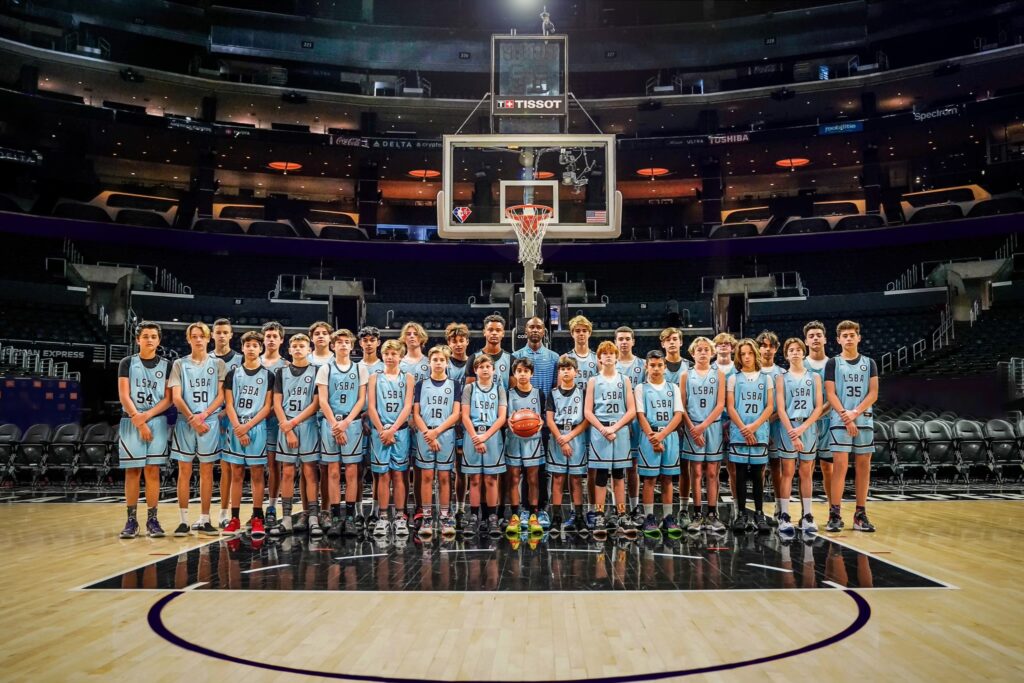
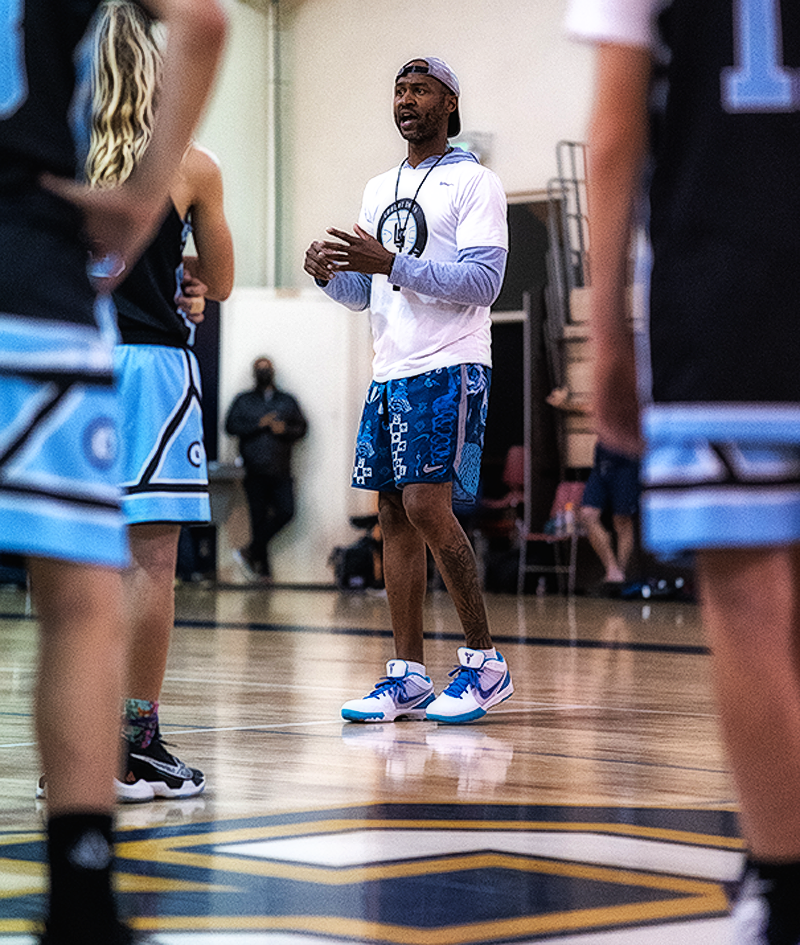
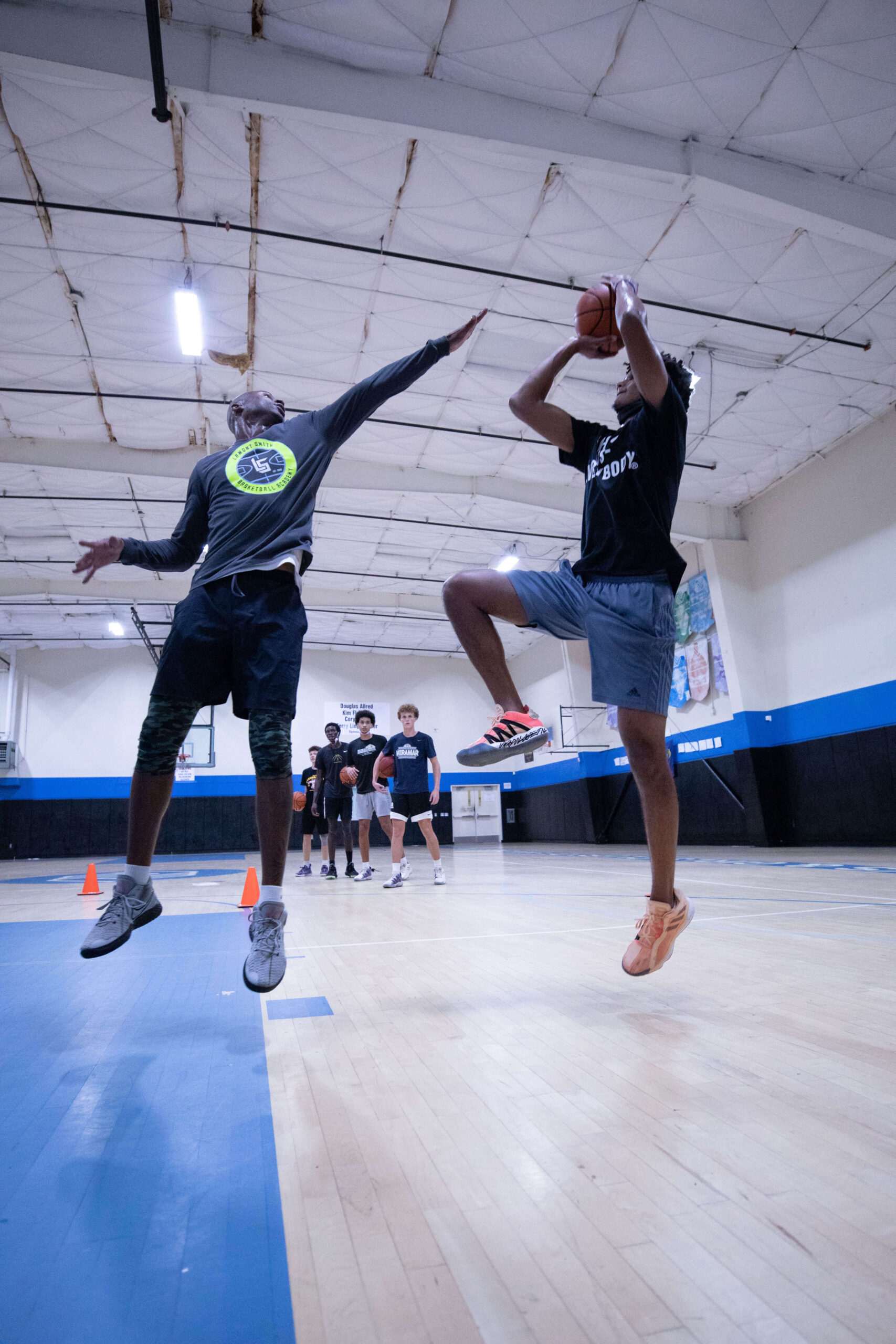
San Diego has never lacked for basketball talent. What it has lacked, at times, is patience. Families want development, players want exposure, and club programs feel pressure to deliver both at once. That tension shapes the entire local scene. The best basketball club teams in San Diego understand it, but they do not let it dictate every decision. They build around a coaching philosophy first, then let wins, college interest, and long-term player growth follow from that foundation.
That distinction matters more than many parents realize when they first enter the travel circuit. On the surface, one club can look a lot like the next. Similar uniforms, similar tournament schedules, similar social media posts after a weekend in Orange County or Las Vegas. Spend a month around those teams, though, and differences start to show. Some groups are organized around short-term results, often measured by how many games they can grind out in a spring weekend. Others are built around a real developmental framework, one that gives players repeated teaching, clear standards, and accountability that goes beyond the box score.
Strong coaching philosophy is not a slogan. It is visible in how practices are planned, how mistakes are corrected, how playing time is explained, and how athletes are prepared for high school basketball, not just the next tournament. In the San Diego market, where the club ecosystem includes ambitious local families, multi-sport athletes, and a wide range of school programs, that clarity from coaches becomes the difference between noise and progress.
What a strong coaching philosophy actually looks like
A coaching philosophy is easy to fake in conversation. It is much harder to fake in a gym over six months.
When a club team has real philosophical consistency, several things happen. First, the language is consistent from coach to coach. An eighth-grade player and a varsity-level player in the same program hear similar terms for spacing, defensive positioning, transition rules, and shot selection. That matters because continuity accelerates learning. Young players improve faster when they do not have to re-translate the game every season.
Second, discipline is attached to a purpose. Good club coaches are not loud for the sake of being loud. They are demanding because habits matter. A defensive closeout done carelessly in April becomes a breakdown in a CIF game in January. A lazy pass in a Sunday pool game is still a lazy pass. https://hectoriacd139.swiftnestly.com/posts/exploring-the-competitive-edge-of-basketball-club-teams-san-diego Strong coaches in San Diego tend to understand that local basketball culture can sometimes reward flash before substance. The better programs push back against that. They teach players that footwork, body positioning, communication, timing, and decision-making are not optional details.
Third, the philosophy shows up in role definition. This is one of the clearest separators in youth basketball. Weakly run teams often promise everything to everyone. Every player is told he can be a primary scorer, every parent is told development is happening, and every tournament is treated like proof of success. Stronger programs are more honest. They tell a player if he is best suited right now as a point-of-attack defender, a floor spacer, a screener, or a secondary ball handler. That honesty can sting, especially in a club setting where families are paying for the experience, but it usually leads to more meaningful growth.
Why San Diego is a unique environment for club basketball
San Diego is not Los Angeles, and it should not try to be. That is not a criticism. It is a useful reality.
The local basketball scene sits in a distinctive lane. There is good talent here, including high-academic student-athletes, late bloomers, and polished skill players who may not have been heavily recruited at age fourteen. There are also players balancing football, volleyball, baseball, or year-round school demands. That changes what a sound coaching philosophy should look like. A club team in San Diego that understands its environment tends to value efficiency and intentionality. Practices need to be sharp. Communication needs to be direct. Development cannot rely only on endless games.
Another factor is geography. San Diego teams often travel north to find deeper tournament pools, stronger competition, and broader exposure. That can tempt clubs into over-scheduling. The strongest programs resist the urge to make every weekend a showcase. Coaches with a mature philosophy know that development does not happen in the car on Interstate 5. It happens in repetitions, film review, correction, and recovery. When a program schedules intelligently, players stay fresher, retain more instruction, and show up better when the competition level rises.
High school relationships also matter here. In a city where many club players still care deeply about their school teams and communities, the best club coaches do not act like they are in competition with high school coaches. They prepare players to help them. They understand high school systems, they respect school-season boundaries, and they train athletes in ways that transfer. A club coach who teaches defensive shell principles, weak-side awareness, transition sprint habits, and half-court spacing is not just helping a team in July. He is helping a player earn trust in November.
The best club teams teach the game, not just plays
One of the oldest traps in youth basketball is the illusion of sophistication. A team can run several sets and still understand very little basketball. That problem shows up often in travel programs that rely on sideline control instead of player education.
The strongest basketball club teams in San Diego usually teach concepts before they pile on structure. They want players to understand why a dribble handoff works, not just where to stand for it. They teach what makes a good paint touch valuable, when to cut behind an overplay, why the weak-side defender tags the roller, and how pace affects help defense. That kind of instruction is slower at first, but it produces players who can adapt.
This matters even more once players leave the youth levels and enter the high school years. High school coaches consistently value athletes who can process the game. A guard who can get a team organized, recognize a switch, and deliver the right pass against pressure is more useful than a guard who can only perform rehearsed actions. A wing who understands closeout angles and rebounding position may play earlier than a more talented scorer who drifts. A strong club coaching philosophy sees those realities and prepares players accordingly.
I have seen players go from being average middle school athletes to legitimate varsity contributors simply because their club environment taught them how to think. Not think in a vague, motivational sense, but think in live possessions. Where is the low man. What is the clock. Is the defense loaded to the strong side. Is this a one-more pass or a shot. Those are teachable skills. The best coaches in this space treat them that way.
Development is usually quieter than families expect
A lot of parents judge progress by points per game. That is understandable, but it is a poor standalone measure, especially in club basketball where game flow is inconsistent and lineups can change from weekend to weekend.
Strong coaching staffs tend to track development in more durable ways. Is the player's footwork cleaner. Does he get to his spots on balance. Is he defending without opening his stance too early. Is she making better reads against pressure. Is the athlete communicating earlier. Is the turnover rate dropping. Is the player's conditioning holding up deep into the second half. These are not flashy metrics, but they are the kind that usually translate into future opportunity.
That is why some of the strongest Basketball Club Teams San Diego families should consider may not always look like the loudest success stories in the moment. There are weekends when a development-focused team may lose to a more physically mature group or a team leaning heavily on one dominant scorer. That can create anxiety. Families start wondering whether the "teaching approach" is leaving wins on the table.
Sometimes it is. That is one of the real trade-offs. A coach committed to balanced growth may let younger guards play through mistakes, may insist on running offense instead of isolating every trip, or may ask a talented player to defend the best opponent rather than conserve energy for scoring. Those decisions can cost a game in May. They can also help produce a far more complete player by the following winter.
The strongest clubs know when to accept that trade-off and when not to. Philosophy should not become an excuse for poor competitiveness. Good coaches still care about execution, physicality, and late-game poise. They simply refuse to chase every short-term win at the expense of a player's future usefulness.
How strong coaches handle stars, role players, and late bloomers
Every club says it develops all players. Very few actually do.
One of the clearest signs of a serious coaching philosophy is how a team handles its roster edges. Start with the star player. In weaker programs, the star is indulged. Defensive lapses slide. Shot selection rules are different. Effort off the ball becomes optional. The team wins enough for that behavior to survive, then pays for it later when the player reaches a level where talent alone no longer carries him.
Better club coaches do the opposite. They coach their best players harder, or at least more honestly. They know that a gifted seventh grader who can score twenty on raw ability still needs to learn how to screen, rotate, communicate, and lead. They also know that long-term projection depends as much on adaptability and habits as on highlights.
Then there are role players, the backbone of almost every successful high school team. San Diego has plenty of athletes who may never be featured scorers but can become winning guards, switchable wings, intelligent forwards, or dependable rebounders. Strong club teams invest in those players. They do not reduce them to practice bodies. They show them exactly how value is built. I have watched players who averaged only a few points in club settings become starters at strong high schools because their club coaches taught them how to defend, move the ball, and play with force.
Late bloomers may be the most important case of all. Southern California basketball history is full of players who were overlooked early, then grew physically, matured mentally, or finally landed in the right developmental setting. A sound coaching philosophy leaves room for that. It does not lock in permanent labels at age thirteen. It gives smaller guards a chance to learn real point guard skills. It teaches taller young players more than back-to-the-basket touches. It understands that the player who looks ordinary in March may look completely different fourteen months later.
Practice habits reveal everything
If you want to judge a club team, watch practice before you watch tournament play.
Games can hide a lot. A quick guard can erase poor team structure. A dominant rebounder can mask weak defensive positioning. Hot shooting can cover up sloppy process for a weekend. Practice tells the truth.
In a strong practice environment, transitions are efficient. Players know where to go. Coaches do not spend half the session organizing lines and finding basketballs. Drills connect to game problems. If a team struggles with help-side defense, the practice addresses it directly. If spacing collapses in live play, the coach teaches spacing in small-sided action, not just in five-on-zero diagrams.
Feedback matters too. Good coaches correct specifically. They do not just say "play harder" or "be smarter." They say, "Open your stance earlier so you can influence baseline," or, "Hit the second side before the defense can load up," or, "You are driving into a gap that is already occupied." Precision accelerates learning.
There is also a noticeable emotional tone in better gyms. It is demanding, but not chaotic. Players are expected to compete, absorb correction, and move on. Coaches do not need to manufacture drama to create intensity. That kind of emotional steadiness is especially important in club basketball, where personalities, expectations, and family pressures can make the environment fragile.
The San Diego programs worth trusting usually value fit over hype
Families entering the club circuit often ask the wrong first question. They ask, "What is the top team?" A better question is, "Which team has the right coaching philosophy for this player right now?"
That answer varies.
A younger player who needs fundamental structure may thrive with a coach who emphasizes footwork, passing reads, and defensive principles even if the schedule is not the flashiest. A high school guard seeking recruitment may need a club that combines serious competition with accountability off the ball, not just freedom to hunt shots. A developing forward may benefit most from a staff willing to teach perimeter skills without abandoning interior toughness.
Fit includes personality as well. Some players respond well to direct, hard-edged coaching. Others need a little more explanation to play freely. Neither approach is automatically better. What matters is consistency, clarity, and whether the athlete improves. The strongest Basketball Club Teams San Diego has to offer are usually the ones that know exactly who they are. They are not trying to imitate every successful brand from bigger markets. They coach from conviction.
That conviction often shows up in recruiting philosophy too. Clubs with substance are selective about roster construction. They do not just stack scorers. They think about ball handling, size balance, defensive versatility, practice competitiveness, and family alignment. Talent matters, obviously. But any veteran coach will tell you that talent without role acceptance is unstable. One of the reasons some flashy teams underperform is simple, everyone wants the same touches, and nobody wants the dirty work.
Exposure matters, but coaching matters more
There is no point pretending exposure is irrelevant. For many families, club basketball is partly about putting players in front of the right eyes. That is real. But exposure without substance tends to disappoint.
College coaches, high school coaches, and experienced evaluators notice polished habits quickly. They can tell which players have been coached. A prospect who talks on defense, understands spacing, makes simple passes on time, and competes on every possession stands out, even without gaudy scoring numbers. On the other hand, a player who dominates the ball but cannot defend, process, or adjust often looks less impressive the longer the game goes.
That is why strong coaching philosophy remains the better long-term bet than schedule alone. A heavy travel calendar can create the appearance of opportunity. Better coaching creates actual readiness. Ideally, a club provides both. But if a family must choose between constant events and a staff that truly develops players, the smarter choice is usually development.
I have seen this play out repeatedly with high school players in San Diego County. The athletes who make meaningful jumps are not always the ones on the busiest circuits. Often they are the ones whose club coaches fixed their defensive stance, cleaned up their shooting base, demanded better conditioning, and taught them how to make the next right play. By junior year, those details start to separate players much more than anyone expects.
What parents should listen for when meeting a club coach
The first conversation with a coach tells you a lot, if you know what to hear.
A coach with a real philosophy usually explains development in concrete terms. He talks about practice standards, skill priorities, defensive expectations, and how roles are earned. He can describe how he handles playing time, communication, and roster balance without sounding defensive. He does not promise every player maximum exposure or guarantee a starring role.
Vagueness is a warning sign. So is nonstop emphasis on tournaments, rankings, or who has already received interest. None of those things are meaningless, but they should not be the center of the conversation. The center should be teaching.
It is also worth listening for whether the coach speaks respectfully about high school programs, other local trainers, and players who may not be stars yet. Coaches who tear everyone else down often struggle to build something stable themselves. The strongest leaders in this space are competitive, but secure. They know their work can speak for itself.
The clubs that last usually build culture before branding
Basketball parents see branding everywhere now. Sleek logos, cinematic mixtapes, social media graphics, tournament reels. None of that is inherently bad. Presentation matters. But culture remains the true engine of a successful club program.
Culture is built in ordinary moments. It is built when a player is corrected for jogging back on defense in a 9 a.m. Pool game. It is built when a coach explains to a family why a reduced role today may help long-term development. It is built when older players model practice habits for younger groups. It is built when accountability applies to the leading scorer as much as the last player in the rotation.
In San Diego, where the club basketball market is crowded enough for families to bounce from team to team in search of something better, the programs that endure tend to be the ones with strong internal standards. They may evolve their systems, add coaches, or expand age groups, but the underlying philosophy remains recognizable. Players get taught. Effort is non-negotiable. Roles are explained. Fundamentals are not skipped. Winning matters, but not at the cost of teaching the game poorly.
That is what families should be looking for when they search for basketball club teams in San Diego. Not perfection, because no club has that. Not promises, because those are cheap. Look for a staff with a clear basketball identity, honest communication, and a track record of making players more useful, more disciplined, and more prepared for the next level of the game. In a crowded gym, those differences are easy to miss for a quarter. Over a season, they become impossible to ignore.
Lamont Smith Basketball Academy
888 Clairemont Mesa Blvd Suite T-2, San Diego, CA 92123
(619) 639-8778
FAQ About Basketball Club Teams San Diego
How can a player join an LSBA club team?
Players are evaluated during practices so the coaching staff can recommend an appropriate team and development level. Families should contact the academy to confirm current openings and evaluation details.
Are club teams available for newer basketball players?
Yes. LSBA describes multiple levels, including a developmental option for newer players as well as more competitive teams for athletes with prior club experience.
What do LSBA club team practices emphasize?
Practices emphasize basketball fundamentals, team defense, structure, communication, and player development. The specific focus may vary according to the team and experience level.
Do all LSBA teams travel?
Travel expectations vary by level. Some teams focus on local competition, while advanced teams may participate in tournaments elsewhere in Southern California or beyond. Families should confirm the current schedule before enrolling.